What Happens to Players’ Jerseys After Football Matches?
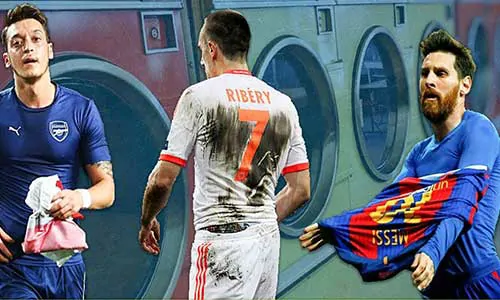
The final whistle blows, and players sink to their knees in exhaustion or sprint across the pitch to celebrate a hard-fought victory. While the fans cheer from the stands and analyze the tactical plays, a common question often arises in the minds of football enthusiasts around the world: What Happens to Players’ Jerseys After Football Matches? Do they end up in a massive laundry pile, are they discarded as single-use items, or do they undergo a fascinating journey of their own?
The narrative of what happens to players’ jerseys after football matches goes far beyond simply throwing dirty clothes into a washing machine. Depending on the level of the league, the player’s personal choice, and the club’s financial resources, a jersey can take many different paths. In this comprehensive guide, we will explore the lifecycle of a professional football shirt from the moment the referee blows the final whistle to its ultimate resting place.
Table of Contents
- The Historical Tradition of Shirt Swapping
- The Unsung Hero: The Kit Manager’s Role
- To Wash or to Replace: Elite Football’s Kit Policy
- The Major Destinations for Match-Worn Jerseys
- The Financial Reality: What Happens to Players’ Jerseys After Football Matches?
- Tracing the Journey: What Happens to Players’ Jerseys After Football Matches in Lower Leagues
- Sustainability and Eco-Friendly Initiatives in Kit Design
- Comparison: Elite vs. Grassroots Jersey Lifecycles
- Frequently Asked Questions
- The Ultimate Summary: What Happens to Players’ Jerseys After Football Matches?
The Historical Tradition of Shirt Swapping
When analyzing what happens to players’ jerseys after football matches, shirt swapping represents the ultimate symbol of sportsmanship and mutual respect. This ritual has a rich history that dates back nearly a century. The first recorded instance of an exchange occurred on May 14, 1931, following a match between France and England, where the French team lost and requested to keep the English team’s jerseys as mementos of their meeting.
Over the decades, this gesture evolved into a highly respected practice. One of the most iconic shirt swaps in history occurred during the 1970 FIFA World Cup in Mexico. After a legendary group-stage match, Pelé and England’s Bobby Moore swapped shirts on the pitch, a moment captured in photographs that symbolized racial harmony and deep athletic respect during a politically tense era.
In today’s game, the tradition is stronger than ever. Players frequently identify opponents they admire before the match even begins, arranging to exchange shirts once the game concludes. This adds a layer of heritage to what happens to players’ jerseys after football matches, transforming active athletic wear into cherished museum pieces and personal collectibles stored in private home displays.
The Unsung Hero: The Kit Manager’s Role
To understand what happens to players’ jerseys after football matches, we must observe the team’s kit manager. A kit manager, along with their dedicated support staff, is responsible for preparing every piece of equipment a player might need. Many fans believe a player is allocated only one shirt per game, but the reality is quite different.
In modern top-flight leagues like the English Premier League or Spain’s La Liga, kit managers prepare multiple shirts per player for every single fixture. Typically, a player is provided with three to four shirts per match. Here is why multiple kits are prepared:
- First-Half Kit: The shirt the player wears when they walk onto the pitch at kickoff.
- Second-Half Kit: Players often prefer to change into a clean, dry shirt at halftime to stay comfortable and light.
- Emergency Spares: Spares are vital in case a jersey is ripped during a tackle or stained with blood, as refereeing guidelines strictly prohibit players from remaining on the pitch with blood-stained apparel.
- Promotional/Charitable Needs: Extra shirts are sometimes pre-allocated for post-match presentations or charity signings.
This structured routine explains a vital part of what happens to players’ jerseys after football matches before they even leave the dressing room. Every shirt is meticulously heat-pressed with specific matchday details, including the opponent’s name, the date, and the stadium venue, making each piece a unique historical document.
To Wash or to Replace: Elite Football’s Kit Policy
One of the most debated questions about what happens to players’ jerseys after football matches is whether they are washed and reused. There is a common misconception that elite clubs throw away jerseys after a single use. In truth, top-tier football clubs possess highly advanced, commercial-grade laundry facilities at their training grounds to wash and maintain equipment.
If a player does not swap, gift, or donate their jersey, that kit is collected by the kit management team, thoroughly washed, and integrated back into the training or matchday rotation. However, because high-profile players are constantly giving their shirts away to opposing players or fans, many shirts are indeed worn only once.
Thus, what happens to players’ jerseys after football matches in top-tier football is closely linked with brand sponsor contracts. Kit manufacturers like Adidas, Nike, and Puma supply massive volumes of clothing to elite clubs as part of their marketing agreements, meaning that replacing jerseys on a regular basis does not present a financial burden to the club’s administration.
The Major Destinations for Match-Worn Jerseys
A major component of what happens to players’ jerseys after football matches involves direct fan interaction and philanthropic endeavors. Once the 90 minutes are up, a match-worn jersey can end up in several different places depending on the circumstances of the fixture.
Gifting to Fans in the Stands
We often see players walking over to the crowd at the end of a match to hand over their damp, muddy shirt to an ecstatic fan. This acts as a powerful public relations tool and creates unforgettable memories for supporters, particularly younger fans. While most clubs encourage this, players are sometimes monitored to ensure they do not exceed their seasonal allocation, which can occasionally lead to humorous internal club notices.
Charity Auctions and Foundation Fundraising
Charity auctions represent another key phase of what happens to players’ jerseys after football matches, raising thousands of dollars for global causes. In recent years, clubs have increasingly partnered with digital auction platforms. These sites specialize in selling match-worn kits directly to collectors worldwide immediately after the game ends.
Interestingly, these shirts are deliberately left unwashed. Collectors highly value the presence of mud, sweat, grass stains, and physical wear, as these markings serve as proof of authenticity. To preserve these elements, the shirts are carefully packaged and shipped to the highest bidder, with the proceeds going to club foundations or global non-profit organizations.
Club Archives and Museum Displays
When a match holds immense historical significance, such as a cup final, a league-deciding victory, or a player’s milestone appearance, the jerseys are treated with extreme care. The club’s internal museum staff may claim the shirts to preserve them in climate-controlled archives or put them on public display for tourists and future generations of fans to admire.
The Financial Reality: What Happens to Players’ Jerseys After Football Matches?
Indeed, what happens to players’ jerseys after football matches is deeply influenced by the financial status of the club. Elite clubs operating with multi-million dollar budgets can easily afford to write off dozens of shirts every single weekend. For these organizations, the jersey is a marketing tool, a piece of memorabilia, and a symbol of brand identity rather than a scarce resource.
In contrast, smaller professional or semi-professional clubs view jerseys as valuable assets that must be protected. The economic disparity dictates the entire post-match process, creating two entirely different realities within the same global sport.
Tracing the Journey: What Happens to Players’ Jerseys After Football Matches in Lower Leagues
To fully grasp the global picture, we must look beyond the glamour of the Premier League or Champions League. When we ask: What Happens to Players’ Jerseys After Football Matches in Lower Leagues?, the answer is vastly different and far more grounded in practical reality.
In semi-professional and lower-division football leagues around the world, budgets are tight, and waste is minimized. Here is how lower-league clubs handle their kits:
- Strict Washing Protocols: Jerseys are strictly washed and reused for the entire season. The kit manager’s primary duty is ensuring the longevity of the fabric.
- No Free Swapping: Players in lower divisions are generally not allowed to swap shirts with opponents. If they choose to do so, the cost of the replacement jersey is often deducted directly from their weekly wages.
- Player Laundry Duties: In grassroots and semi-professional tiers, players often take their training kits and matchday uniforms home to wash them themselves, reminiscent of how kit maintenance used to be managed in the mid-20th century.
This stark contrast illustrates how what happens to players’ jerseys after football matches varies globally, highlighting the differences between the luxury of elite leagues and the resourcefulness required at the grassroots level of the sport.
Sustainability and Eco-Friendly Initiatives in Kit Design
In today’s eco-conscious world, what happens to players’ jerseys after football matches is being reshaped by green initiatives. Major sports manufacturers and football clubs are recognizing the environmental impact of producing thousands of polyester shirts each year. As a result, sustainable design practices are becoming a major focus.
Many clubs now wear jerseys made entirely from recycled ocean plastics, utilizing advanced manufacturing processes to reduce water usage and carbon emissions. Furthermore, end-of-season shirts that are no longer needed are frequently upcycled into training gear, donated to football development programs in impoverished regions, or shredded to create materials for training pitch installations.
This focus on green cycles represents the future of what happens to players’ jerseys after football matches, proving that the sport can maintain its rich traditions while minimizing its overall carbon footprint.
Comparison: Elite vs. Grassroots Jersey Lifecycles
The table below outlines what happens to players’ jerseys after football matches based on league hierarchy, showcasing the divide in resources, policy, and handling.
| Feature | Elite Clubs (Premier League, La Liga, etc.) | Lower / Semi-Pro Leagues |
|---|---|---|
| Shirts per Player per Match | 3 to 4 customized jerseys | 1 to 2 standard jerseys (often reused all season) |
| Washing Method | On-site industrial laundry handled by kit staff | Domestic washing, sometimes done by the players themselves |
| Swapping with Opponents | Highly encouraged; covered by sponsor deals | Discouraged or financially penalized if done without permission |
| Primary Final Destination | Charity auctions, fans, opposition players, or museums | Reused for the next match; eventually stored or sold to fans |
Frequently Asked Questions
Here are the most common questions surrounding what happens to players’ jerseys after football matches, answered simply and concisely:
Do football players get a brand-new jersey for every single match?
No, players in top-flight leagues do not necessarily get new jerseys if their old ones are still in great condition and have not been traded. However, because they regularly swap or gift their shirts, they often end up wearing a new jersey for almost every match. In lower leagues, players reuse the same shirts throughout the entire season.
What happens if a player swaps a shirt without the club’s permission?
In elite clubs, swapping is fully permitted and built into the season’s operational budget. In lower-tier clubs, players who swap their shirts without prior authorization are usually charged the retail price of the jersey, which is deducted from their salary.
Why are shirts auctioned off for charity left unwashed?
Unwashed match-worn jerseys are highly valuable to collectors because they contain physical “game DNA”—such as grass stains, dirt, and sweat. Washing the jersey removes these elements, which significantly decreases its market value and collectibility.
Who is in charge of washing the players’ dirty kits?
The club’s dedicated kit manager and their support staff handle the cleaning of all training wear and matchday kits using heavy-duty laundry machines located at the club’s training grounds. In grassroots or amateur leagues, players are responsible for washing their own uniforms.
How many jerseys does a Premier League player use in a single season?
A typical Premier League player can go through 100 to 150 jerseys per season, factoring in two halves per game, cup competitions, European fixtures, emergency replacements, and pre-arranged shirt swaps.
The Ultimate Summary: What Happens to Players’ Jerseys After Football Matches?
Ultimately, what happens to players’ jerseys after football matches tells a rich story of tradition, operational logistics, financial realities, and global charity efforts. While the primary purpose of a football jersey is to identify players on the pitch, its lifecycle extends far beyond ninety minutes of athletic performance. From historic swaps on the pitch to fundraising initiatives that support local communities, these shirts carry a lasting legacy long after the final whistle has blown.
Are you a football memorabilia collector, or have you ever been lucky enough to catch a player’s shirt after a game? Let us know your thoughts and share your stories in the comments below!