Comparing FIFA World Cup 2026 Stadiums: Facilities, Capacity and Fan Experience
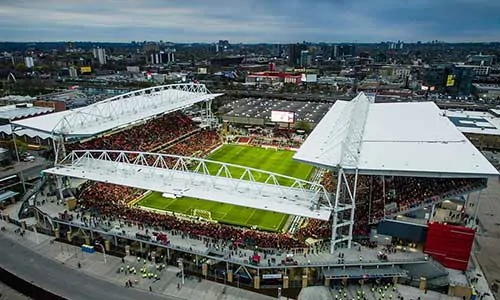
The countdown is officially over. The FIFA World Cup 2026 is here, and it is set to redefine the boundaries of global sports. Spanning three countries—the United States, Canada, and Mexico—this edition marks the first time forty-eight teams will compete for football’s ultimate prize.
To accommodate this massive scale, sixteen world-class arenas have been selected to host matches. From legendary historic coliseums to ultra-modern architectural masterpieces, each venue offers a distinct environment.
In this comprehensive comparison, we analyze the facilities, seating capacities, and overall fan experiences of the prominent FIFA World Cup 2026 stadiums.
Table of Contents
- 1. The Historic Scale of the FIFA World Cup 2026
- 2. Comparing Capacity Across FIFA World Cup 2026 Venues
- 3. Stadium Overview and Capacity Table
- 4. Cutting-Edge Facilities: Technological Breakthroughs and Design
- 5. The Fan Experience: Atmosphere, Logistics, and VIP Services
- 6. Deep Dive Into Key FIFA World Cup 2026 Stadiums
- 7. Crucial Logistics Facing Fans at the Tournament
- 8. Frequently Asked Questions (FAQs)
- 9. Conclusion and Match Day Planning
The Historic Scale of the FIFA World Cup 2026
As the first multi-nation tournament of this scale, the FIFA World Cup 2026 introduces several massive logistical and cultural updates. Rather than relying on a single host country, games are spread across North America.
Eleven stadiums are situated in the United States, three in Mexico, and two in Canada. Consequently, fans will experience a vast array of climates, cultural backgrounds, and transit infrastructures depending on where their preferred matches are played.
Furthermore, the physical diversity of the venues chosen for the FIFA World Cup 2026 highlights the changing nature of sports engineering. While historic grounds prioritize pure stadium atmosphere, modern stadiums focus heavily on premium hospitality and digital connectivity.
Therefore, understanding how these arenas compare on crucial fronts like seating size, technological layout, and surrounding amenities is highly important for fans looking to attend.
Comparing Capacity Across FIFA World Cup 2026 Venues
When reviewing the FIFA World Cup 2026 arena options, seating capacity remains one of the primary points of interest. Higher capacity generally translates to a more intense crowd atmosphere and a higher volume of available tickets.
The seating setups for the FIFA World Cup 2026 range from intimate Canadian environments to massive American venues built primarily for American football. These vast variations mean that ticket availability and pricing may differ substantially from venue to venue.
At the top of the scale sits Dallas Stadium (AT&T Stadium) in Texas, boasting a potential tournament configuration of approximately 94,000 seats. It is closely followed by the historic Mexico City Stadium (Estadio Azteca) and New York New Jersey Stadium (MetLife Stadium), both of which comfortably cross the 80,000 threshold.
In contrast, smaller venues such as Toronto Stadium (BMO Field) offer a capacity of roughly 45,000 after planned expansion. However, these smaller setups often bring the crowd closer to the field, offering distinct sightlines that larger stadiums cannot easily replicate.
Stadium Overview and Capacity Table
The following table outlines the 16 official host stadiums, detailing their location, official tournament name, capacity, and notable highlights:
| Host City | Tournament Venue Name | Capacity | Key Tournament Highlight |
|---|---|---|---|
| New York / New Jersey | New York New Jersey Stadium | ~82,500 | Selected for the Tournament Final |
| Dallas | Dallas Stadium | ~94,000 | Highest capacity, hosting a Semifinal |
| Mexico City | Mexico City Stadium | ~83,000 | Hosts the historic Opening Match |
| Los Angeles | Los Angeles Stadium | ~70,240 | Architectural marvel with a 360-degree screen |
| Atlanta | Atlanta Stadium | ~67,382 | Retractable roof, hosting a Semifinal |
| Vancouver | Vancouver Stadium | ~48,821 | Intimate venue in a highly walkable urban hub |
| Toronto | Toronto Stadium | ~45,000 | Expanded seating capacity for the tournament |
| Kansas City | Kansas City Stadium | ~73,000 | Renowned for extreme crowd noise levels |
| San Francisco | San Francisco Bay Area Stadium | ~68,500 | Focused heavily on green energy designs |
| Miami | Miami Stadium | ~64,767 | Multi-purpose hub with a permanent shade canopy |
| Boston | Boston Stadium | ~63,815 | Historic host site with deep sporting roots |
| Philadelphia | Philadelphia Stadium | ~65,339 | Passionate local sporting culture |
| Houston | Houston Stadium | ~67,222 | Fully air-conditioned indoor facility |
| Seattle | Seattle Stadium | ~69,000 | Incredible acoustics, close to city center |
| Guadalajara | Guadalajara Stadium | ~44,330 | Modern design inspired by an active volcano |
| Monterrey | Monterrey Stadium | ~50,113 | Scenic mountain backdrops |
Cutting-Edge Facilities: Technological Breakthroughs and Design
The engineering feats across these venues are substantial. Because summer matches can experience high heat in areas like Texas, Monterrey, and Georgia, climate control plays a major role in the overall tournament experience.
As a result, retractable roofs and heavy-duty air circulation systems are vital. Facilities like Dallas Stadium, Atlanta Stadium, and Houston Stadium can close their roofs to establish a controlled indoor environment, protecting players and supporters alike.
Moreover, turf composition remains a highly talked-about technical challenge. FIFA strictly mandates that matches must be played on high-quality natural grass rather than artificial turf.
Consequently, stadiums that usually employ synthetic fields, such as New York New Jersey Stadium, SoFi Stadium, and Mercedes-Benz Stadium, must temporarily integrate advanced natural turf systems. These setups require cutting-edge drainage, moisture sensors, and grow-light technologies to ensure the field remains healthy throughout the multi-week schedule.
On the sustainability front, several venues stand out for their green design choices. For example, Atlanta Stadium holds a LEED Platinum certification, featuring extensive solar energy installations and smart rainwater management systems. Similarly, San Francisco’s Levi’s Stadium includes a green roof and utilizes recycled water for cooling purposes.
The Fan Experience: Atmosphere, Logistics, and VIP Services
The overall fan experience at the FIFA World Cup 2026 is shaped by local transit, the stadium’s layout, and hospitality options. Each venue approaches these factors differently.
From an atmosphere standpoint, older, soccer-specific stadiums like Mexico City Stadium (Estadio Azteca) offer a deep legacy and an intense, historic environment. In contrast, ultra-modern US venues place heavy emphasis on structural luxuries.
For instance, Los Angeles Stadium features a massive dual-sided 4K Oculus ribbon display, which ensures every spectator has clear sightlines of high-definition replays. Similarly, premium hospitality and executive suites are widespread across US NFL venues, creating comfortable options for those looking for high-end dining and private entrances.
Transit and walkability, however, present a major divide:
- Transit-Friendly Locations: Stadiums like Vancouver Stadium (BC Place) and Toronto Stadium (BMO Field) are situated close to city centers. They are highly accessible via walking or rapid city transit systems.
- Car-Dependent Venues: Out-of-town complexes such as Kansas City Stadium (Arrowhead) or Boston Stadium (Gillette) rely heavily on shuttle systems, personal vehicles, and large parking lots. This can result in heavy traffic congestion on match days.
Deep Dive Into Key FIFA World Cup 2026 Stadiums
To understand the variations in these venues, it helps to examine some of the marquee environments hosting the tournament’s most critical stages.
New York New Jersey Stadium (MetLife Stadium)
As the selected final venue for the FIFA World Cup 2026, this arena in East Rutherford will draw global attention. With a capacity of roughly 82,500, it features an open-air design with extensive seating layers.
While the location lacks immediate walkability from downtown New York, it connects to Manhattan via the Meadowlands Rail Line. Consequently, supporters will need to plan their commuting timelines carefully to navigate the rail transfers on high-profile match days.
Mexico City Stadium (Estadio Azteca)
This historic ground brings unmatched legacy to the FIFA World Cup 2026. Having previously hosted two World Cup finals (in 1970 and 1986), its atmosphere is steeped in sporting history.
Recent renovations have modernized the seating configurations and updated the media boxes. However, the stadium’s high altitude (over 2,200 meters above sea level) presents a physical challenge for players, while its intense, steep stands offer spectators an incredible and loud match day environment.
Los Angeles Stadium (SoFi Stadium)
Representing a major architectural centerpiece of the FIFA World Cup 2026, this multi-billion-dollar venue in Inglewood features a translucent, sweeping canopy roof. Its seating area is partially open to natural ocean breezes while remaining fully covered from direct sunlight.
The stadium’s interior is dominated by a suspended, double-sided video board, maximizing visual engagement. However, because it lacks a direct subway connection, local transit agencies are coordinating extensive shuttle loops to transport crowds from nearby rail lines.
Vancouver Stadium (BC Place)
Playing a key role in the Canadian leg of the FIFA World Cup 2026, Vancouver Stadium is famous for its cable-supported retractable roof system. This venue sits directly in the downtown core, offering easy walkability to local hotels, bars, and restaurants.
Furthermore, its capacity of approximately 48,821 offers an intimate, focused environment where the crowd is positioned close to the pitch, generating a highly engaged and energetic atmosphere.
Crucial Logistics Facing Fans at the Tournament
Logistics for the FIFA World Cup 2026 will require careful planning, especially when traversing the three host nations. The sheer geography of North America means that time zones, climate differences, and travel regulations will play an active role in how fans experience the tournament.
Firstly, flight schedules and immigration procedures between the US, Canada, and Mexico must be factored into travel timelines. Unlike single-country tournaments where high-speed trains can move fans easily, this cross-border tournament will require extensive air travel for those following their teams across different group stages.
Secondly, weather variations are significant. June and July bring heavy humidity and high heat to the southern US and coastal Mexico, while northern venues like Seattle or Toronto experience mild summer conditions.
As a result, staying hydrated, planning around afternoon sun exposure, and researching climate-controlled environments at specific stadiums are vital steps for travelers.
Frequently Asked Questions (FAQs)
Which stadium will host the FIFA World Cup 2026 final?
The final match will be held at the New York New Jersey Stadium (MetLife Stadium) in East Rutherford, New Jersey, on July 19, 2026.
Why are some stadium names different for the tournament?
FIFA regulations require that tournament venues be free of corporate sponsorship names unless the sponsors are official partners of FIFA. Therefore, stadiums like SoFi Stadium and MetLife Stadium are using generic geographical names like Los Angeles Stadium and New York New Jersey Stadium.
Will games be played on synthetic artificial turf?
No, all matches must be played on high-quality natural grass. Venues that normally use synthetic turf are installing specialized, temporary natural grass layouts complete with advanced drainage and grow-light support structures.
Which venue has the highest capacity?
Dallas Stadium (AT&T Stadium) features the highest configurations, with capacity reaching approximately 94,000 seats for tournament matches.
How accessible are the stadiums via public transport?
Accessibility varies considerably. Urban stadiums like those in Vancouver and Toronto are highly walkable and connected directly to light rail systems. On the other hand, suburban stadiums like Kansas City Stadium and Boston Stadium rely heavily on parking lots, rideshares, and shuttle bus connections.
Which stadium is hosting the opening match?
The historic Mexico City Stadium (Estadio Azteca) will host the opening match of the tournament on June 11, 2026, marking its historic third time hosting a World Cup opening fixture.
Conclusion and Match Day Planning
The diversity of the venues hosting the FIFA World Cup 2026 guarantees a highly varied experience for football fans worldwide. From the high-tech visual displays of Los Angeles to the historic walls of Mexico City, each location brings a distinct energy and design philosophy to the tournament.
Consequently, fans are encouraged to research stadium logistics, local transit connections, and climate factors well in advance. Planning your transport options and mapping out stadium locations early is the most reliable way to ensure a smooth, enjoyable tournament journey.
To keep up with the latest updates, stadium maps, and ticket availability, be sure to visit the Official FIFA Website or review detailed tournament guidelines on the 2026 FIFA World Cup Overview.