Easiest FIFA World Cup 2026 Host Cities to Travel Between
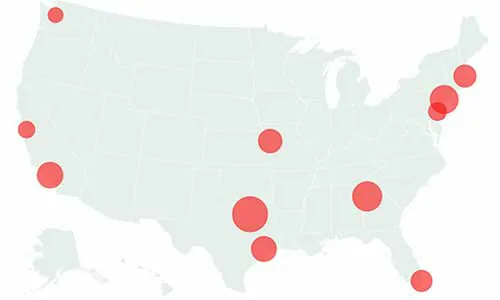
The upcoming FIFA World Cup 2026 is shaping up to be the grandest and most ambitious sporting spectacle in history. Spanning three massive nations—the United States, Canada, and Mexico—this historic tournament features 48 teams competing across 16 different host cities. While the expansion brings unprecedented excitement, the sheer geography of North America presents a major logistical challenge for traveling fans. Spanning thousands of miles and four distinct time zones, traveling randomly across the continent can quickly become expensive and physically exhausting.
Fortunately, you do not need to fly back and forth across the continent to experience the magic of the tournament. By strategically focusing your trip on specific geographic regions, you can easily hop between multiple host cities with minimal travel time. Therefore, planning a seamless itinerary around the easiest host cities to travel between is the smartest way to maximize your match-day experiences while keeping your budget in check.
Table of Contents
- Understanding the Travel Logistics of the FIFA World Cup 2026
- 1. The Eastern Corridor: New York, Philadelphia, and Boston
- 2. The Pacific Northwest Cluster: Seattle and Vancouver
- 3. The Texas Triangle: Dallas and Houston
- In-Depth Comparison of Easiest Routes
- Essential Tips for Effortless Travel During the FIFA World Cup 2026
- Exploring Match Day Transport Options in Host Cities
- Conclusion & Final Travel Checklist
- Frequently Asked Questions (FAQ) About FIFA World Cup 2026 Travel
Understanding the Travel Logistics of the FIFA World Cup 2026
The scale of the FIFA World Cup 2026 means that matches are spread out from Vancouver on the West Coast of Canada to Miami on the southeastern tip of Florida. Consequently, trying to follow a specific team or attending random matches without a clear travel strategy can lead to endless hours in airport terminals. Recognizing this geographic challenge, tournament organizers and travel experts suggest looking at the host cities through regional lenses.
In addition to saving money, choosing closely located host cities reduces the stress of booking multiple domestic flights. When you select a regional cluster, you gain access to alternative transportation options such as high-speed trains, regional buses, or scenic highways. This travel flexibility ensures that if a flight is delayed or overbooked, you still have highly reliable ground transportation to get you to the stadium before kickoff.
Moreover, staying within a single region minimizes the impact of jet lag. Crossing multiple time zones can leave you feeling fatigued, which takes away from the excitement of the fan zones and stadiums. By remaining within a tight geographical cluster, you can easily maintain your energy levels and focus fully on the incredible football action unfolding on the pitch.
1. The Eastern Corridor (FIFA World Cup 2026 Easiest Route): New York, Philadelphia, and Boston
For fans seeking the absolute easiest travel experience during the tournament, the Eastern Corridor is the undisputed winner. This highly dense region features three major host cities: New York/New Jersey (MetLife Stadium), Philadelphia (Lincoln Financial Field), and Boston (Gillette Stadium). Because these cities are located so close to one another, they are connected by some of the best public transit infrastructure in North America.
The primary advantage of this cluster is the Amtrak train system. Rather than dealing with airport security lines and baggage claims, you can board a comfortable train in downtown Manhattan and arrive in downtown Philadelphia in just under an hour and fifteen minutes. For instance, the high-speed Amtrak Acela line connects these cities seamlessly, offering spacious seating and free Wi-Fi for traveling supporters.
Furthermore, traveling from New York to Boston is incredibly straightforward. A train ride along the scenic Northeast Corridor takes roughly four hours, delivering you directly into Boston’s South Station. If you are looking to save money, regional bus services like Greyhound and Megabus offer highly affordable, frequent departures between all three cities day and night.
- New York/New Jersey to Philadelphia: 95 miles (1.5 hours via train or car)
- New York/New Jersey to Boston: 215 miles (4 hours via train or car)
- Philadelphia to Boston: 310 miles (5 hours via train or short flight)
Additionally, this cluster offers an incredible array of tourist attractions outside of the matches. You can easily spend your mornings exploring the historic streets of Boston or visiting the iconic sights of New York City before heading to the stadium in the afternoon. Therefore, the Eastern Corridor provides the perfect balance of world-class football, cultural sightseeing, and effortless travel.
2. The Pacific Northwest Cluster: Seattle and Vancouver
If you prefer breathtaking natural landscapes alongside top-tier football, the Pacific Northwest cluster is an exceptional choice. This region connects Seattle, Washington (Lumen Field) with Vancouver, British Columbia (BC Place). Separated by only 140 miles, these two vibrant, football-loving cities offer one of the most scenic and straightforward travel corridors of the entire tournament.
The easiest way to travel between Seattle and Vancouver is by using the Amtrak Cascades train. This highly popular route winds along the beautiful coastline of the Puget Sound, offering passengers spectacular views of mountains, forests, and water. The journey takes approximately four hours and drops you off right in the heart of both cities, eliminating the need for expensive airport transfers.
On the other hand, driving between Seattle and Vancouver is also highly practical. By renting a car, you can enjoy a straightforward road trip along Interstate 5. Under normal traffic conditions, the drive takes around two and a half to three hours. However, because this route involves crossing the international United States-Canada border, you must factor in potential wait times at the border checkpoint during peak match-day travel.
- Seattle to Vancouver: 140 miles (4 hours via train or 3 hours via car)
- Primary Transport Options: Amtrak Cascades, rental cars, and quick 45-minute regional flights
- Border Crossing: Peace Arch or Pacific Highway border crossings (valid passport/visas required)
As you plan your Pacific Northwest itinerary, make sure you have all your travel documentation in order. Because you are crossing an international border, ensuring you have the proper visas or travel authorizations (such as an ESTA for the US and an eTA for Canada) is vital. With the right preparation, hopping between these two Pacific Northwest gems will be incredibly smooth and highly rewarding.
3. The Texas Triangle: Dallas and Houston
The state of Texas is famous for doing things big, and their football stadiums are no exception. During the tournament, both Dallas (AT&T Stadium) and Houston (NRG Stadium) will host major matches. Fortunately, these two massive metropolitan areas are located surprisingly close to each other, forming a highly convenient travel pair for football fans.
The distance between Dallas and Houston is roughly 240 miles, which translates to a straightforward four-hour drive along Interstate 45. Renting a car is a highly popular option here, giving you the freedom to explore local Texas barbecue spots and cultural attractions along the way. Furthermore, highway driving in Texas is generally fast and efficient, with high speed limits and clear signage.
In contrast, if you prefer to avoid driving, daily short flights between Dallas-Fort Worth (DFW) and Houston Intercontinental (IAH) are incredibly frequent. These flights take just under an hour, making it entirely feasible to stay in one city and fly to the other just for the match. Additionally, luxury regional bus services like Vonlane offer business-class seating, complimentary snacks, and Wi-Fi, turning the trip into a highly comfortable ride.
- Dallas to Houston: 240 miles (4 hours via car or 1 hour via flight)
- Stadium Venues: AT&T Stadium (Dallas Stadium) and NRG Stadium (Houston Stadium)
- Bonus Connection: Short, direct flights are also available to Monterrey, Mexico, for fans looking to add a Mexican host city to their trip
By centering your travel plans around Texas, you position yourself in a highly central geographic location. This makes it much easier to catch matches in other Central region cities if your favorite team advances in the tournament. Therefore, the Texas Triangle represents a highly strategic and convenient home base for any serious football enthusiast.
In-Depth Comparison of Easiest Routes
To help you visual your travel options and select the perfect itinerary, we have compiled a detailed comparison of the easiest regional routes available during the tournament. This breakdown outlines travel times, primary transport methods, and the overall convenience of each route.
| Route | Primary Transport | Est. Travel Time | Border Crossing? | Convenience Rating |
|---|---|---|---|---|
| New York to Philadelphia | Amtrak Train / Regional Bus | 1 hr 15 mins | No | Excellent (5/5) |
| New York to Boston | Amtrak Train / Driving | 4 hours | No | Very High (4.5/5) |
| Seattle to Vancouver | Amtrak Cascades / Driving | 3 to 4 hours | Yes (US-Canada) | High (4/5) |
| Dallas to Houston | Driving / Short Flight | 1 to 4 hours | No | High (4/5) |
Essential Tips for Effortless Travel During the FIFA World Cup 2026
Navigating travel between host cities is only half the battle. To ensure your trip is completely stress-free, keeping a few expert travel strategies in mind is highly recommended. Implementing these simple tips will help you save valuable time, protect your budget, and allow you to focus entirely on enjoying the games.
First and foremost, you must book your inter-city transit as early as possible. Millions of local and international fans will be traveling simultaneously, which means train tickets, rental cars, and domestic flights will sell out incredibly quickly. Consequently, prices are expected to rise dramatically as match days approach. Setting up fare alerts and securing your transport months in advance is the best way to secure affordable rates.
Secondly, consider packing light. Dragging oversized, heavy luggage through crowded train stations, bus terminals, and airports is physically draining. If you plan to hop between cities frequently, traveling with just a high-quality carry-on backpack or small suitcase is highly advantageous. Not only does this save you money on airline baggage fees, but it also allows you to navigate crowded urban transit systems with ease.
Finally, always double-check the entry and visa requirements for each country you plan to visit. While the United States, Canada, and Mexico share close ties, they maintain distinct border control policies. Therefore, arriving at a border checkpoint without the proper digital travel authorization or passport validity could result in missed matches and costly travel disruptions.
Exploring Match Day Transport Options in Host Cities
Once you successfully travel between your chosen host cities, you still need to get from your hotel to the stadium on match day. Public transportation is consistently the fastest and most cost-effective way to reach the venues. Due to heavy traffic congestion and highly restricted parking near the stadiums, driving a personal rental car to the match is generally discouraged.
In New York/New Jersey, for example, fans can easily take the NJ Transit train directly from Penn Station in Manhattan to the Meadowlands Sports Complex where MetLife Stadium is located. Similarly, in Philadelphia, the SEPTA Broad Street Line subway line drops fans off just steps away from the Lincoln Financial Field gates, offering a quick and cheap commute.
In Seattle, Lumen Field is conveniently located right next to the historic International District, making it easily walkable from downtown hotels. Additionally, Seattle’s Link Light Rail system connects the stadium directly to Sea-Tac Airport and various northern neighborhoods. Taking advantage of these local transit networks will save you from the high surge pricing of rideshare apps on busy match days.
Conclusion & Final Travel Checklist
In conclusion, planning your trip around the easiest host cities to travel between is the ultimate strategy for an unforgettable experience during the FIFA World Cup 2026. Whether you choose the highly connected rail networks of the Eastern Corridor, the stunning coastal routes of the Pacific Northwest, or the vast highways of the Texas Triangle, regional planning is key to a smooth journey.
By grouping your match tickets and accommodation within these highly accessible clusters, you will minimize transit stress, protect your budget, and maximize your enjoyment of this historic tournament. Start finalizing your itinerary today, secure your travel reservations early, and get ready to be part of the greatest football show on Earth!
Frequently Asked Questions (FAQ) About FIFA World Cup 2026 Travel
What is the absolute easiest cluster of host cities to travel between?
The Eastern Corridor—consisting of New York/New Jersey, Philadelphia, and Boston—is the easiest cluster to navigate. These cities are closely located and connected by Amtrak’s extensive passenger rail network, allowing you to travel city-to-city without boarding a single flight.
Do I need a different visa to travel between the US, Canada, and Mexico?
Yes. Each country maintains its own immigration policies. Depending on your nationality, you may need a US Visa or ESTA, a Canadian Visa or eTA, and a Mexican visa or tourist card. Always confirm these details well in advance of your departure date.
Is it better to travel by train or plane between Seattle and Vancouver?
The Amtrak Cascades train is highly recommended for travel between Seattle and Vancouver. It is cost-effective, highly scenic, and drops you directly in the city centers. While flights are faster, airport security and transit times often make the overall journey duration comparable to the train.
How far in advance should I book my travel and accommodation?
You should book your flights, trains, and hotels as soon as your match tickets are confirmed. Demand during the tournament is extremely high, and waiting until the last minute will result in significantly higher prices or sold-out options.
Can I easily drive between Dallas and Houston for matches?
Yes. Driving between Dallas and Houston is very common and takes about four hours via Interstate 45. The highway is direct and easy to navigate, making car rentals an excellent option for fans exploring the Texas region.
What is the best way to get to the stadiums on actual match days?
Public transportation is consistently the best option. Most host cities have dedicated train, subway, or light rail lines running directly to the stadiums. Utilizing public transit helps you avoid heavy traffic jams and expensive stadium parking fees.