FIFA World Cup 2026 Ticket Lottery Explained: How the Draw System Works
FIFA World Cup 2026 Ticket Lottery Explained: How the Draw System Works
The anticipation is building for the biggest sporting event in human history. For the first time, 48 nations will compete across three host countries—the United States, Canada, and Mexico—spanning 16 vibrant host cities. Securing a seat at one of the 104 matches is an ultimate dream for millions of football fans worldwide. To ensure a fair and organized distribution of these highly coveted seats, football’s governing body implemented a multi-phased ticketing structure, centered around the FIFA World Cup 2026 ticket lottery. But how exactly does this draw system work, and what do you need to know to navigate the process successfully?
This comprehensive guide breaks down the mechanics of the Random Selection Draw (RSD), ticket pricing tiers, application steps, and what you can do if you missed out on the initial lottery phases. Let us dive into the details of how the ticketing framework operates to prepare you for this historic tournament.
Table of Contents
- What is the FIFA World Cup 2026 Ticket Lottery?
- Why FIFA Utilizes a Draw System Over First-Come, First-Served
- The Official Timeline of FIFA World Cup 2026 Ticket Phases
- Step-by-Step: How the Random Selection Draw System Works
- Understanding Ticket Categories and Face-Value Pricing
- What Happens After the Draw: Successful vs. Unsuccessful Applications
- Missed the Lottery? How to Secure Tickets Now
- Expert Tips to Maximize Your Ticket Success
- Frequently Asked Questions (FAQ)
- Preparing for the Ultimate Football Festival
What is the FIFA World Cup 2026 Ticket Lottery?
The ticket lottery, officially designated by FIFA as the Random Selection Draw (RSD), is a fair-allocation allocation process designed to handle extreme ticket demand. Instead of launching a traditional checkout system where tickets sell out in milliseconds, FIFA collects ticket applications over a designated window of several weeks.
Once this application period closes, a computerized draw randomly selects winners for each specific match. Consequently, this system gives every fan an equal mathematical chance of securing seats, regardless of when they submitted their application during the open window.
Due to the massive footprint of the FIFA World Cup 2026, interest has reached record-breaking levels. Tens of millions of applications are processed for venues that hold between 45,000 and 85,000 spectators. The lottery system remains the primary method for the general public to purchase tickets directly at official face-value rates.
Why FIFA Utilizes a Draw System Over First-Come, First-Served
Many fans wonder why sports governing bodies do not simply sell tickets on a first-come, first-served basis. The primary reason is server capacity and fair access. If over 500 million ticket requests hit a server simultaneously, the infrastructure would inevitably crash, leading to a frustrating user experience for fans globally.
Furthermore, a direct checkout model heavily favors automated scalping software (bots) and individuals with high-speed fiber-optic internet connections. This would leave passionate local supporters and international traveling fans at a severe disadvantage.
By implementing the random selection draw, FIFA ensures that a fan applying from a remote location with a slower internet connection has the exact same probability of winning a ticket as a corporate entity with advanced tech. Therefore, the lottery system acts as a crucial democratic tool to keep ticket distribution as equitable as possible.
The Official Timeline of FIFA World Cup 2026 Ticket Phases
To accommodate various fan groups, sponsors, and the general public, the ticketing lifecycle for the tournament is structured into distinct phases. Understanding these phases is essential for planning your journey.
Initially, early phases focus on exclusive pre-sales, such as the Visa Presale Draw and the Early Ticket Draw. These allowed early access for specific cardholders, commercial affiliates, and loyalty groups, resulting in over two million tickets sold early on.
Following those initial rollouts, the main ticketing windows were introduced. Below is a structured breakdown of the primary ticketing timeline for the tournament:
| Ticketing Phase | Format Type | Primary Focus |
|---|---|---|
| Phase 1: Visa Presale | Random Draw | Visa cardholders and early corporate partners. |
| Phase 2: Early Ticket Draw | Random Draw | Registered fans on the official portal prior to the final draw. |
| Phase 3: Random Selection Draw | Random Draw | General public individual match tickets (Group Stage & Knockouts). |
| Phase 4: Last-Minute Sales | First-Come, First-Served | Remaining inventory sold with immediate purchase confirmation. |
| Official Resale Marketplace | Direct Purchase | Authorized peer-to-peer ticket transfers at regulated face value. |
As the tournament draws near, primary ticket availability through the initial lottery draws decreases significantly. However, opportunities remain active through the final sales windows and authorized resale channels.
Step-by-Step: How the Random Selection Draw System Works
The mechanics of the lottery can seem complex, but they follow a highly organized process. If you want to know exactly how the draw system allocates seats, here is the official step-by-step procedure:
1. Creating a Unified FIFA ID
Before applying for any ticketing products, fans must register on the official FIFA Ticketing Portal. Creating a FIFA ID requires entering accurate personal information, including passport or national ID details, contact info, and residency status. This account acts as the central hub where your applications, draws, and final mobile tickets are managed.
2. Selecting Your Match Products
During the active application window, you can browse the official fixture list and choose specific matches. You can apply for individual matches, venue-specific ticket packages, or team-specific packages. You must also select your preferred seating category and the quantity of tickets required for your group.
3. Providing Payment Information Upfront
A critical feature of the FIFA World Cup 2026 lottery system is the requirement of card details during the application phase. While no funds are charged or held when you submit your application, your credit or debit card is locked into the system. This acts as a security measure to deter casual non-buyers and automated bot farms.
4. Executing the Randomized Computer Draw
Once the application window officially closes, all submissions are gathered into a single secure database. The automated lottery software then runs a randomized selection algorithm. The system reviews match capacities, category requests, and household limits to allocate the available seats without human intervention or bias.
5. Automatic Billing of Successful Applications
If the draw selects your application, your registered payment card is automatically charged for the full face value of the tickets. This process is automatic, meaning you will not have the option to pick and choose which allocated tickets you want to keep. If your card has insufficient funds, your ticket allocation is immediately canceled and passed to the next applicant.
Understanding Ticket Categories and Face-Value Pricing
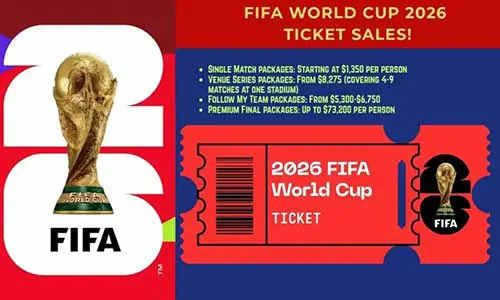
When applying for tickets, fans must choose between different ticket categories. These categories determine where you sit in the stadium, the quality of your view, and the price of the ticket. For the FIFA World Cup 2026, seating classifications are broken down into four distinct categories:
- Category 1: Located in prime lower sideline and midfield areas. These seats offer the clearest view of the pitch and tactical flow, making them the most expensive tier.
- Category 2: Located in the corners, lower end zones, or premium upper sideline sections. They offer a great balance between viewing quality and price.
- Category 3: Located primarily in the upper corners and end zones. These are the most common seats for budget-conscious international travelers.
- Category 4 / Supporter Entry: Located in the highest and furthest sections of the stadiums. Category 4 is traditionally reserved exclusively for residents of the host countries. Additionally, FIFA introduced a newly established “Supporter Entry Tier” priced at USD 60, accessible through qualified national federations.
To help you budget your trip, here is a breakdown of the official face-value price ranges (in USD) across different stages of the tournament:
| Tournament Stage | Category 1 | Category 2 | Category 3 | Category 4 / Supporter Tier |
|---|---|---|---|---|
| Group Stage (Neutral) | $700 – $1,200 | $500 – $900 | $120 – $200 | $60 – $105 |
| Group Stage (Host Matches) | $1,500 – $2,735 | $1,100 – $1,800 | $400 – $700 | $60 – $150 |
| Round of 32 & Round of 16 | $540 – $640 | $440 – $515 | $225 – $240 | $60 – $120 |
| Quarterfinals | $1,775 | $1,200 | $450 | $60 – $200 |
| Semifinals | $3,295 | $2,350 | $930 | $60 – $350 |
| The Final Match | $6,730 – $7,875 | $4,500 – $5,500 | $1,490 – $2,200 | $60 – $800 |
Please note: The listed figures reflect face values from the official ticketing database and are subject to administrative fees, dynamic pricing adjustments, and venue tax regulations.
What Happens After the Draw: Successful vs. Unsuccessful Applications
Once the randomization process concludes, the ticketing department begins sending out email notifications. Fans will experience one of three possible outcomes:
Fully Successful: If you are fully successful, congratulations! The system has matched your exact requests, and your payment card is charged for the total amount. Your tickets are then linked securely to your FIFA ID.
Partially Successful: This is a common outcome for fans who applied for multiple matches. For example, you may have applied for four matches but only won tickets for one. In this scenario, your card is billed strictly for the single match you won, and the remaining requests are dismissed.
Unsuccessful: If your application is unsuccessful, no charges are applied to your card. While disappointing, you are placed on a registry to receive early notification of upcoming ticket availability, resales, and last-minute booking opportunities.
Missed the Lottery? How to Secure Tickets Now
If you missed out on the major lottery draws, do not despair. The final whistle has not blown yet, and there are still official avenues to secure your place in the stands.
First, the Last-Minute Sales Phase is actively running. Unlike the lottery, this phase operates on a strictly first-come, first-served basis. When you select a ticket in this phase, your purchase is processed with immediate confirmation. While availability is at an all-time low due to record demand, periodic ticket releases occur as sponsors and federations return unused portions of their allocations.
Second, the Official FIFA Resale Marketplace is the safest platform to buy verified tickets. This regulated, peer-to-peer marketplace allows fans who can no longer attend a match to sell their tickets directly to others. To prevent price gouging, all tickets are listed at face value, protecting buyers from the inflated markups common on secondary sites.
Alternatively, some fans consider secondary platforms like StubHub or SeatGeek. If you decide to go this route, always exercise extreme caution. Check the refund terms and conditions and be aware that FIFA enforces strict ticket transfer policies to combat unauthorized commercial scalping.
Expert Tips to Maximize Your Ticket Success
Navigating the ticket system can be highly competitive. To give you an edge, here are several expert tips to help you secure a seat during the upcoming sales windows:
- Target Lower-Demand Matches: Naturally, matches involving host nations or global giants like Argentina, Brazil, or France in major metropolises will have massive demand. Applying for early afternoon matches in mid-sized host cities increases your chances significantly.
- Be Flexible with Seating Categories: During the lottery submission, always opt to accept tickets in alternative categories. This tells the system that if your preferred Category 3 seats are sold out, you are willing to be upgraded to Category 2 or downgraded to Category 4.
- Inform Your Financial Institution: Because successful draw results trigger automatic international charges, fraud detection algorithms at your bank may flag the transaction and block the charge. This will immediately cancel your ticket allocation. Pre-authorize potential charges from FIFA with your bank ahead of time.
- Utilize Multiple Authorized Devices: When participating in first-come, first-served sales queues, have separate devices (smartphone, laptop) ready. Ensure you are logged into your FIFA ID on each device to navigate any server bottlenecks.
Frequently Asked Questions (FAQ)
Is the FIFA World Cup 2026 ticket lottery still open?
No, the primary general public ticket lotteries (including the Visa Presale and Random Selection Draw) have officially concluded. However, remaining tickets are still available on a first-come, first-served basis through the Last-Minute Sales Phase and the Official FIFA Resale Marketplace.
Can I cancel or refund my tickets if I win the lottery?
No, all successful lottery allocations are automatically billed and are non-refundable. If you can no longer attend a match, you must list your tickets on the official peer-to-peer resale marketplace to recoup your costs at face value.
What is the difference between Category 1 and Category 4 tickets?
Category 1 tickets are located in the prime sideline sections closest to the pitch, offering premium views. Category 4 tickets are positioned in the highest upper-deck sections. Category 4 tickets are usually the most affordable and are often reserved for residents of the host nations.
How does the USD 60 Supporter Entry Tier work?
The Supporter Entry Tier is a new pricing category introduced by FIFA to support loyal, traveling fans. Priced at $60 per ticket, these are allocated through the participating national football federations rather than the general public lottery and are subject to federation eligibility criteria.
Can I apply for tickets for someone else under my account?
Yes, you can apply for guest tickets under your primary account, subject to household ticket limits (usually up to 4 or 6 tickets per match depending on the phase). You will need to provide the official names and passport details of your guests during the final transfer process.
Is it safe to buy tournament tickets from unofficial resale sites?
While secondary marketplaces exist, buying from unofficial channels carries risks. FIFA reserves the right to cancel tickets that are sold outside their official resale platform. For guaranteed entry and protection against counterfeit tickets, always utilize the official ticketing portal.
Preparing for the Ultimate Football Festival
The FIFA World Cup 2026 promises to be a spectacular festival of sport, unity, and culture. Securing tickets through the lottery and subsequent sales phases requires patience, strategic planning, and quick action. By understanding how the randomized draw system operates, knowing the pricing structures, and utilizing authorized platforms, you can confidently navigate the ticket buying process.
Make sure to keep your account details updated on the official ticketing portal, monitor release dates closely, and coordinate your travel plans. Stay informed, stay prepared, and prepare to witness history in North America!
Ready to secure your spot at the games?
Avoid missing out on ticket releases! Bookmark this guide and log into the official FIFA Ticketing Portal today to check active availability in the Last-Minute Sales Phase or the Resale Marketplace.