FIFA World Cup 2026 Tickets: Availability, Sales Phases and Booking Rules
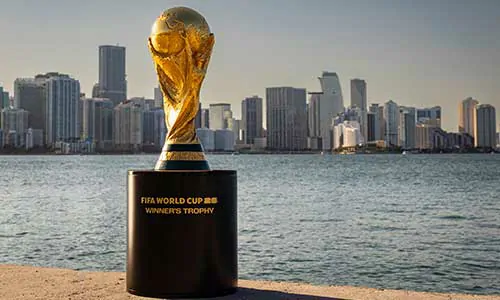
The global football community is buzzing with anticipation as the biggest sporting event in history is finally underway. The FIFA World Cup 2026, hosted jointly across North America by the United States, Mexico, and Canada, marks an incredible milestone in the evolution of the sport. With 48 nations competing in a total of 104 matches, millions of fans are eager to witness the action live from world-class stadiums. Consequently, securing a seat at one of these historic games has become a primary goal for supporters globally.
However, obtaining official match entry is a structured process governed by strict allocation systems, multiple pricing tiers, and strict safety regulations. Navigating these rules successfully is crucial to securing your seats without falling victim to ticket scalping or fraudulent reseller sites. This detailed, step-by-step guide covers everything you need to know about purchasing tickets, ongoing sales phases, official resale programs, and vital booking terms to get you to the stands safely.
Table of Contents
- Overview of the FIFA World Cup 2026 Ticket Program
- Official Ticket Sales Phases for the FIFA World Cup 2026
- Understanding Ticket Categories and Pricing
- Essential Booking Rules and Purchasing Terms
- Accessibility Tickets for Inclusive Matchdays
- Host Cities and Venues of the FIFA World Cup 2026
- Tips to Safely Secure Last-Minute Tickets
- Frequently Asked Questions (FAQ)
Overview of the FIFA World Cup 2026 Ticket Program
The ticketing strategy for the FIFA World Cup 2026 is specifically designed to accommodate the unprecedented size of the tournament. Because the tournament features an expanded 48-team format, the host nations expect to shatter previous tournament attendance records. To manage this massive wave of demand, FIFA has developed a balanced distribution framework aimed at giving both local fans and international travelers a fair opportunity to purchase seats.
To keep ticketing operations safe and transparent, all official ticket sales are centralized through FIFA’s designated portals. These official options include the general public ticketing system, the premium hospitality package platform, and certified flight-and-ticket travel packages. Purchasing tickets through unofficial third-party avenues is highly discouraged. Due to high-security electronic verification at the stadium gates, invalid tickets bought on unapproved sites can result in fans being denied entry.
Furthermore, all entry tokens for this edition of the tournament are completely digital. Physical paper tickets and printable PDF documents have been phased out to prevent counterfeiting and streamline entry. Ticket holders will receive and manage their seats exclusively through the official FIFA mobile ticketing application closer to each matchday. Consequently, this digital transition ensures a direct, secure transfer method between friends, family, and certified buyers.
Official Ticket Sales Phases for the FIFA World Cup 2026
To ensure a balanced ticket distribution, FIFA structured the sales calendar into several distinct phases. Each phase targets a specific audience and follows unique rules. Staying updated on these timelines is the best way to monitor seat availability.
The Visa Presale Draw (Completed)
This early access phase took place in September 2025 and was reserved exclusively for Visa cardholders. As FIFA’s long-standing financial sponsor, Visa offered its users a priority window to submit ticket applications. This randomized draw is now completely closed, and winners have already had their bookings confirmed and processed.
The Early Ticket Draw (Completed)
Following the sponsor-exclusive window, the Early Ticket Draw took place in October 2025. This phase featured a domestic exclusivity period, giving residents of the host countries—the United States, Canada, and Mexico—priority access. Consequently, this phase successfully allowed local fanbases to secure group-stage seats before international sales opened up.
The Random Selection Draw (Completed)
The largest public lottery phase opened in December 2025 and ran through January 2026. This period processed over half a billion applications from football enthusiasts worldwide. Because ticket demand for key matches vastly exceeded stadium capacity, a computerized system randomly selected the winning applications. Successful fans were notified, and their registered credit cards were automatically billed.
Participating Member Association (PMA) Supporters Phase (Completed)
This phase was dedicated specifically to the fans of the qualified national teams. Running through late 2025 and concluding with the late-qualifier phase in April 2026, it allowed registered national supporters’ club members to buy tickets in dedicated team sections. As the final qualified teams have been decided, this phase is now closed.
The Last-Minute Sales Phase (Live Now)
If you missed out on the initial lotteries, the current Last-Minute Sales Phase is your active path to securing official seats. Launched on April 1, 2026, this phase does not rely on a lottery system. Instead, remaining tickets are sold on a strictly first-come, first-served basis with immediate payment and confirmation. If any ticket inventory remains or is released due to stadium reconfiguration, it appears here in real-time.
The Official FIFA Resale/Exchange Marketplace (Live Now)
In addition to direct retail sales, the Official FIFA Resale Marketplace is fully operational. This secure, peer-to-peer exchange is the only authorized platform where ticket holders who can no longer travel can resell their tickets at face value. Therefore, it is a highly secure option for fans looking to find seats for high-demand, otherwise sold-out matches.
Understanding Ticket Categories and Pricing
FIFA categorizes stadium seating to suit different budgets and viewing preferences. Your selected ticket category directly determines your position inside the stadium, your viewing angle, and your proximity to the field. For this tournament, seat categorization is based primarily on height and position relative to the pitch.
- Category 1: These are premium seats located in the prime lower and middle tiers of the sidelines. They offer the most balanced views of tactical movement and are priced accordingly as the most expensive public option.
- Category 2: Positioned adjacent to Category 1 sections, these seats are situated in the upper sideline decks or corner tiers. They offer excellent views of the pitch at a slightly more affordable price point.
- Category 3: These seats are typically located behind the goals or in the higher upper decks of the stadium. They are highly sought after by passionate fan groups who prioritize stadium atmosphere over close-up pitch views.
- Category 4: Exclusively reserved for residents of the host nations (USA, Canada, and Mexico). These tickets are highly subsidized to ensure that local communities can easily experience the tournament live.
- Supporter Entry Tier: A newly introduced value tier priced at approximately $60 USD, offered via national federations to traveling fans of qualified teams to make matches accessible.
To help you plan your travel budget, the table below outlines the average face-value ticket prices (in USD) across the different tournament stages:
| Tournament Match Stage | Category 1 (USD) | Category 2 (USD) | Category 3 (USD) | Category 4 (Host Resident) |
|---|---|---|---|---|
| Group Stage Matches | $345 – $620 | $210 – $465 | $120 – $215 | $60 – $105 |
| Round of 32 | $450 – $700 | $320 – $510 | $180 – $280 | $80 – $120 |
| Round of 16 | $600 – $950 | $400 – $680 | $250 – $400 | $100 – $150 |
| Quarter-Finals | $1,000 – $1,500 | $700 – $1,100 | $450 – $700 | $150 – $250 |
| Semi-Finals | $2,500 – $3,500 | $1,800 – $2,500 | $1,100 – $1,600 | $300 – $500 |
| 3rd Place Play-off | $800 – $1,200 | $600 – $900 | $400 – $600 | $120 – $200 |
| Final Match (New Jersey) | $6,730 – $7,875 | $4,210 – $4,500 | $2,790 – $3,000 | $2,030 – $2,200 |
Please note that FIFA has implemented variable and dynamic pricing structures for this tournament. While standard public tickets remain strictly regulated, hospitality packages—managed by official partner On Location—feature dynamic price changes depending on demand, fixture popularity, and inclusion upgrades. Consequently, premium packages can vary significantly in cost as the match dates draw near.
Essential Booking Rules and Purchasing Terms
To protect fans from price exploitation and maintain high stadium security, FIFA enforces strict booking regulations. Violating these terms can result in the immediate cancellation of your tickets without a refund.
Purchase Limits Per Household
To prevent ticket scalping and bulk hoarding, FIFA limits the number of tickets a single household or ticketing account can purchase. Specifically, you can buy a maximum of six tickets per match. Furthermore, you are permitted to purchase tickets for up to ten matches throughout the entire tournament. This ensures that a diverse, international pool of supporters can attend the games.
Age Restrictions and Minor Policies
Under FIFA’s official terms, individuals under the age of 18 are not permitted to register as a primary ticket applicant. Instead, an adult over 18 must manage the account, submit the application, and purchase tickets on their behalf. Consequently, minors entering the stadium must always be accompanied by the adult ticket holder who holds the corresponding primary digital ticket.
Mandatory Personalization of Tickets
Every match ticket must be personalized. During the booking process or upon ticket transfer, you must input the full name, nationality, and passport or national ID details of each guest. Once the digital tickets are delivered to the mobile app, they will display these unique details. At the stadium outer perimeter, security staff may cross-reference your digital pass with your physical ID.
Strict Prohibition of Unauthorized Resale
One of the most heavily enforced rules is the complete ban on unauthorized ticket reselling. Selling tickets on secondary platforms like eBay, social media, or unauthorized ticket brokers is a direct breach of FIFA’s ticketing terms. Consequently, tickets detected on these black-market channels are flagged and cancelled immediately, and the sellers are subject to legal penalties.
Accessibility Tickets for Inclusive Matchdays
FIFA is committed to hosting a highly accessible tournament. Therefore, a dedicated inventory of Accessibility Tickets has been reserved for each of the 104 matches across Canada, Mexico, and the United States. These spaces are specifically allocated for fans with physical disabilities, sensory challenges, or limited mobility.
Accessibility Tickets are categorized into four distinct configurations:
- Wheelchair User: Offers a flat-surface space for a wheelchair and an adjacent seat for a companion.
- Easy Access Amenity: For individuals with limited mobility who do not use a wheelchair but require seats with minimal stair climbing and close proximity to amenities.
- Easy Access Standard: Designed for fans traveling with guide dogs or those requiring extra legroom for medical needs.
- Sensory Rooms: Quiet, controlled viewing rooms inside select stadiums designed specifically for fans with sensory sensitivities.
In addition, successful Accessibility Ticket applicants are entitled to one complimentary companion ticket. This companion will be seated directly next to the ticket holder to assist them throughout the matchday journey.
Host Cities and Venues of the FIFA World Cup 2026
The matches are spread across 16 world-class venues in Canada, Mexico, and the United States. Due to the massive scale of the North American continent, the host cities have been grouped into three regional divisions to minimize travel fatigue for both players and supporters during the group stages:
- West Region: Vancouver, Seattle, San Francisco, Los Angeles, Guadalajara.
- Central Region: Kansas City, Dallas, Houston, Atlanta, Monterrey, Mexico City.
- East Region: Toronto, Boston, New York/New Jersey, Philadelphia, Miami.
Each venue has a unique seating layout and capacity, ranging from Toronto’s BMO Field to the massive MetLife Stadium in New York/New Jersey and Dallas’s AT&T Stadium. Consequently, hotel availability and transport networks in these areas will be under high demand. Supporters are advised to plan transit early, especially when booking travel between different regions.
Furthermore, international fans traveling to the United States can take advantage of the FIFA PASS (Priority Appointment Scheduling System). This program allows confirmed ticket holders to fast-track their tourist visa appointment process, helping you resolve your travel documentation before the matches begin.
Tips to Safely Secure Last-Minute Tickets
As the tournament progresses, finding remaining face-value tickets becomes highly competitive. If you are still searching for a seat, follow these safety tips to ensure a secure purchase:
- Keep the Resale Portal Monitored: Keep the official FIFA ticketing website open on your browser. Resale tickets are listed by fans dynamically throughout the day, and they sell almost instantly.
- Double-Check the URL: Scammers often design sophisticated clone websites mimicking the official portal. Always verify that you are on the secure “fifa.com/tickets” domain before entering payment information.
- Avoid Stadium Scalpers: Do not buy paper vouchers or quick-transfer codes from street sellers outside the stadiums. Because all valid tickets are strictly digital and linked to registered FIFA accounts, physical ticket scalping is almost entirely fraudulent.
- Check Official Hospitality: If standard seats are sold out, check the official hospitality portal. While more expensive, hospitality packages often have seats available when standard categories are fully booked.
Frequently Asked Questions (FAQ)
1. Is the Last-Minute Sales Phase still open for the FIFA World Cup 2026?
Yes, the Last-Minute Sales Phase is currently active. Unlike the lottery draws, this phase operates on a first-come, first-served basis. Tickets are subject to real-time availability and are confirmed immediately upon payment on the official FIFA ticketing portal.
2. Can I resell my tickets if I can no longer attend a match?
Yes, you can resell your tickets, but you must do so exclusively through the Official FIFA Resale Marketplace. Reselling tickets on unauthorized secondary websites is a direct violation of FIFA’s booking rules and can lead to ticket cancellation.
3. Who is eligible to buy Category 4 tickets?
Category 4 tickets are reserved exclusively for residents of the host countries: the United States, Canada, and Mexico. Applicants must provide proof of residency, such as a national ID or utility bill, during the registration process to qualify for these subsidized rates.
4. What is the FIFA PASS and how does it help with travel visas?
The FIFA PASS (Priority Appointment Scheduling System) is a special program designed to assist ticket holders traveling to the United States. It helps expedite visa applications, allowing fans to secure their entry visas in time for the tournament.
5. Can I purchase physical tickets at the stadium box office on matchday?
No, there are no physical ticket offices at the stadiums for buying on-the-day paper tickets. All ticketing transactions must be done digitally online through the official FIFA app or portal, even on matchdays.
6. How do I transfer a ticket to a family member or friend?
You can easily transfer tickets to your guests using the official FIFA mobile ticketing app. You will need to input your guest’s email address, and they must register a FIFA account to accept the digital transfer.
Conclusion & Call to Action
Attending the FIFA World Cup 2026 is a once-in-a-lifetime opportunity to witness football history unfold. However, with massive demand driving high competition for seats, understanding and respecting the ticketing guidelines is essential. Always purchase your tickets directly through the official FIFA portal or the secure Resale Marketplace to guarantee your entry on matchday.
Stay prepared by monitoring the live resale platform, finalizing your regional travel itineraries, and ensuring your travel documents are up to date. Don’t miss your chance to be part of the beautiful game’s biggest celebration—secure your official tickets today!