FIFA World Cup 2026 Tickets: How to Avoid Resale Scams and Fake Listings
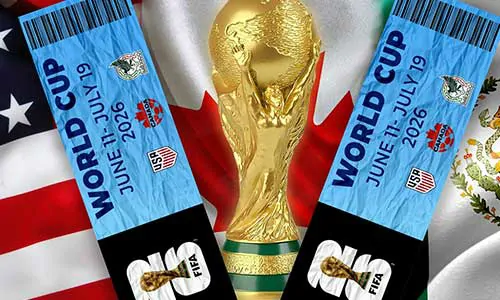
The highly anticipated FIFA World Cup 2026 has finally arrived, bringing unprecedented excitement to soccer fans worldwide. As 48 national teams prepare to battle across 16 host cities in the United States, Canada, and Mexico, millions of fans are desperate to secure their place in stadium history. However, this massive global demand has created a perfect storm for cybercriminals, ticket scalpers, and online scammers. If you are looking to purchase last-minute entries to these historic matches, understanding how to safely buy FIFA World Cup 2026 tickets is crucial to protecting your hard-earned money and avoiding counterfeit listings.
With matches kicking off on June 11, 2026, the secondary ticket market has reached a fever pitch. Scammers are deploying highly sophisticated methods, including AI-driven cloned websites, fake social media accounts, and non-existent digital ticket transfers. Consequently, relying on unauthorized sellers places you at an incredibly high risk of fraud. In this comprehensive guide, we will break down the exact tactics used by modern scammers, detail the official channels authorized by FIFA, and provide actionable checklists to ensure you do not get left outside the stadium gates.
Table of Contents
- 1. The Unprecedented Demand for FIFA World Cup 2026 Tickets
- 2. Anatomy of Common Ticket Scams to Avoid
- 3. Official Ticketing Channels for the FIFA World Cup 2026
- 4. Comparison: Official Channels vs. Secondary Markets
- 5. How to Spot Fraudulent Listings and Fake Websites
- 6. Step-by-Step Guide to Safely Buying Resale Tickets
- 7. Action Plan: What to Do If You Have Been Scammed
- 8. Frequently Asked Questions (FAQs)
1. The Unprecedented Demand for FIFA World Cup 2026 Tickets
The scale of the FIFA World Cup 2026 is unlike any tournament that has preceded it. Spanning three massive nations and featuring 104 matches, organizers expect this tournament to shatter previous attendance records. Over 150 million ticket requests were logged during the early application windows, leaving millions of fans empty-handed as official random draws closed. Consequently, this severe deficit in ticket supply has driven secondary market prices to astronomical heights, making desperation-fueled buyers prime targets for criminals.
Specifically, matches featuring high-profile teams or key knockout stages are experiencing intense resale activities. Whether you are aiming to follow your country in the group stage or trying to catch the legendary final match, the emotional drive to attend is understandably high. However, cybercriminals understand this psychology. They leverage the “Fear of Missing Out” (FOMO) to bypass your normal logical defenses, pushing you to make rapid, unprotected financial decisions. Knowing the official schedule and matching details via the official tournament match schedule is your first line of defense against highly unrealistic ticket promises.
2. Anatomy of Common Ticket Scams to Avoid
To safely navigate the market, you must understand exactly how ticket fraud is being executed during this World Cup cycle. In recent weeks, security organizations like the FBI and the Federal Trade Commission (FTC) have raised red flags regarding several prominent scam formats.
A. Cloned and Spoofed FIFA Websites
One of the most dangerous threats involves spoofed websites that mimic the official FIFA layout. Using advanced AI-cloning tools, scammers construct websites that copy the exact style sheets, images, and fonts of the legitimate ticketing platform. These sites often use deceptive domain names such as fifa-tickets.live, worldcup26ticket.com, or 2026fifaworldcuptickets.online.
When an unsuspecting fan lands on these spoofed pages, they are prompted to “log in” using their actual FIFA ID credentials. This results in account takeover, where scammers steal your real profile and any valid tickets linked to it. Additionally, these sites collect your credit card data, leaving your bank account exposed to immediate fraudulent charges.
B. Social Media Direct-Seller Scams
Desperate buyers often turn to platforms like Reddit, Facebook groups, Instagram, and X (formerly Twitter) to find private individuals claiming to have spare tickets. The seller typically provides a convincing story: a family emergency, a visa issue, or a sudden change of plans. To make the offer highly enticing, they might sell Category 1 tickets at close to face value.
However, the moment you agree to buy, they will insist on using non-reversible, unprotected payment methods like Zelle, Venmo, Cash App, cryptocurrency, or direct international wire transfers. Once the funds are transferred, the seller immediately blocks your account, deletes their profile, and vanishes with your money.
C. The PDF and Screenshot Illusion
Some fraudulent secondary marketplace sellers will attempt to deliver tickets via email as a PDF attachment or a screenshot of a mobile ticket. It is critical to know that for the FIFA World Cup 2026, physical paper tickets, print-at-home PDFs, and static screenshots are completely invalid and will not grant you entry. FIFA’s ticketing system relies on dynamic, secure digital barcodes that constantly refresh within the official FIFA ticketing app. Any seller offering you a PDF or a screenshot is selling you a completely useless image.
D. Phony Lotteries and Sponsorship Giveaways
Another classic scam involves phishing emails or text messages claiming you have won a ticket package through an official sponsor, such as Visa or Coca-Cola. The message will ask you to pay a small “processing fee” or “delivery tax” to claim your prize. Legitimate promotional campaigns will never ask you to pay fees to receive a prize, nor will they require you to input sensitive banking details on unverified web links.
3. Official Ticketing Channels for the FIFA World Cup 2026
To ensure 100% security, there are only a few certified methods to acquire, swap, or resell your tickets. Buying outside these approved channels leaves you vulnerable, with no legal recourse if you are denied entry at the stadium gates.
The Official FIFA Ticketing Portal
The absolute safest starting point is FIFA’s official ticketing portal. Throughout the lead-up to the matches, FIFA hosts various sales phases, including the Last-Minute Ticketing Window. Tickets purchased directly here are tied to your verified guest profile and are guaranteed to be authentic. Always type this URL directly into your browser rather than clicking on sponsored Google search ads, which are sometimes hijacked by malicious copycat sites.
The Official FIFA Resale/Exchange Marketplace
If you did not win tickets in the initial draws, the only officially sanctioned way to buy tickets from other fans is through the FIFA Resale/Exchange Marketplace. Available on FIFA’s ticket platform, this service operates securely to protect both buyers and sellers:
- Fair Pricing: Tickets on the official marketplace are sold at face value, preventing price gouging and scalping.
- Secure Re-issuance: When a transaction is completed, FIFA invalidates the original owner’s barcode and issues a brand-new, secure digital ticket directly to the buyer’s account.
- Regional Differences: While American, Canadian, and international residents use the general Resale Marketplace, residents of Mexico use the specialized FIFA Exchange Marketplace (Mercado de Intercambio) to align with local regulations.
This system eliminates the risk of duplicate tickets and ensures that your purchase is fully backed by the tournament’s governing body.
Official Ticket-Inclusive Hospitality Packages
For those looking for premium experiences, the official hospitality program via FIFA.com/hospitality is the authorized source. These packages combine match tickets with premium food, drinks, and stadium access. Avoid any third-party travel agencies claiming to sell independent hospitality deals unless they are explicitly listed as authorized agents on the official FIFA website.
4. Comparison: Official Channels vs. Secondary Markets
To help you weigh your options and understand the risks involved, here is a breakdown of how different ticket sources compare across key security and pricing metrics:
| Ticketing Source | Authenticity Guarantee | Pricing Structure | Payment Protection | Overall Risk Level |
|---|---|---|---|---|
| FIFA Official Portal / Resale Marketplace | 100% Guaranteed | Face Value (No Markups) | Full Credit Card Security | None (Safe) |
| Verified Third-Party Brokers (StubHub, Vivid Seats) | Platform Backed (Refunds only) | Highly Inflated (Scalper Prices) | Buyer Guarantee protection | Medium (Tickets might fail; refunds given) |
| Unregulated Channels (Social Media, Forums, Craigslist) | No Guarantee | Unpredictable / Too good to be true | None (Insist on Zelle/Crypto) | Extremely High |
5. How to Spot Fraudulent Listings and Fake Websites
Protecting yourself from scams requires a combination of vigilance and digital hygiene. Before you enter your payment details anywhere, run through this mental security checklist to spot potential red flags:
- Verify the URL: Look at the address bar carefully. A secure, legitimate site will end precisely in
fifa.com/tickets. Be wary of complex subdomains or unusual top-level domains like.cc,.live, or.net. - Inspect the Domain Age: Use a free online WHOIS lookup tool to check when the website domain was registered. If the domain was created only a few weeks or months ago, it is highly likely a temporary scam site set up to capture World Cup traffic.
- Examine the Payment Methods: Legitimate sites use secure, PCI-compliant checkout gateways that accept standard credit cards (Visa, Mastercard, etc.). If a seller requests payment via gift cards, wire transfer, Western Union, Zelle, or cryptocurrencies, walk away immediately.
- Be Skeptical of Extreme Urgency: Scammers love using high-pressure tactics. Warnings like “Your checkout window is expiring in 45 seconds!” or aggressive calls to action are designed to panic you into bypassing safety protocols.
- Review the Delivery Method: If a seller mentions mailing you a physical ticket, handing you a printout, or sending a static screenshot, they are operating outside the official digital ecosystem. All valid tickets are dynamic barcodes housed within the official mobile app.
Additionally, keeping up with local stadium guidelines and entry requirements will help you understand why physical tickets or static images simply will not pass security checks on match day.
6. Step-by-Step Guide to Safely Buying Resale Tickets
If you want to buy tickets securely, you should strictly follow this process to ensure your funds and entry are fully protected:
- Create your Official FIFA ID: Go directly to the official FIFA portal and register a unique, secure profile. Turn on multi-factor authentication (MFA) to prevent hackers from hijacking your account.
- Access the Official Resale Platform: Log into the official Resale/Exchange marketplace. Be prepared to wait in the electronic queue, as high demand means entry is processed on a secure, first-come, first-served basis.
- Complete the Purchase: Pay using your credit card. Once the transaction clears, the system will instantly void the previous owner’s barcode and generate a completely fresh, unique QR code tied to your personal FIFA ID.
- Download the Official FIFA Tickets App: Install the dedicated mobile app only from the official Apple App Store or Google Play Store. Do not download APK files from third-party websites.
- Review your Ticket Details: Log into the app using the same FIFA ID credentials. Ensure your seats are clearly displayed, and cross-reference the stadium layout using the host cities and local transport options guide to plan your journey safely.
7. Action Plan: What to Do If You Have Been Scammed
If you discover you have fallen victim to a ticket scam, acting quickly is vital to mitigating your financial losses and helping authorities shut down the fraudulent operation.
First, immediately contact your bank or credit card issuer. Report the transaction as fraudulent and request a chargeback. If you paid using a credit card on a scam website, request that your card be canceled and reissued to prevent future unauthorized charges. Unfortunately, if you paid via Zelle, wire transfer, or cryptocurrency, recovering the funds is highly difficult, but notifying your bank is still a required step.
Second, report the scam to the relevant consumer protection agencies. In the United States, file a complaint with the Federal Trade Commission (FTC) or the FBI’s Internet Crime Complaint Center (IC3). In Canada, file a report with the Canadian Anti-Fraud Centre (CAFC), and in Mexico, contact PROFECO. Providing these agencies with the scammer’s website URL, email address, and payment details helps track down these networks and prevents other fans from suffering the same fate.
8. Frequently Asked Questions (FAQs)
Q1: What is the safest place to buy FIFA World Cup 2026 tickets?
A: The absolute safest place is the official FIFA ticketing portal (FIFA.com/tickets) and the official FIFA Resale/Exchange Marketplace. These are the only channels where tickets are guaranteed to be 100% authentic and legally transferred to your name.
Q2: Can I use printed PDF tickets or screenshots to enter the stadium?
A: No. Printed paper tickets, PDF print-at-home sheets, and mobile screenshots are not accepted. The tournament utilizes dynamic digital barcodes inside the official FIFA ticketing app that refresh frequently to prevent duplication.
Q3: Are tickets bought on sites like StubHub or Vivid Seats safe?
A: While reputable secondary marketplaces offer money-back guarantees if your ticket fails, they are not officially authorized by FIFA. There is still a risk that the ticket barcode will be blocked at the gate, leaving you with a refund but no entry to the match.
Q4: How can I identify a fake World Cup ticketing website?
A: Look closely at the domain name. Authentic links must end exactly in fifa.com. Check for recent domain creation dates via WHOIS lookups, look for spelling errors, and avoid sites that demand payments through cryptocurrencies, bank wires, or apps like Zelle.
Q5: Can I resell my tickets if I can no longer attend a match?
A: Yes, you can safely submit your eligible tickets for resale on the official FIFA Resale/Exchange Marketplace. This allows other fans to purchase them securely at face value, protecting both parties from fraudulent transactions.
Q6: What should I do if I have been scammed by a fake ticket seller?
A: Contact your financial institution immediately to dispute the charges and secure your accounts. Afterward, report the fraudulent seller or lookalike website to the FBI’s IC3, the FTC, or your local national fraud authority.
Conclusion
Securing your spot at the historic FIFA World Cup 2026 is a dream for millions of soccer fans. However, the passion surrounding this tournament makes it highly attractive to online fraudsters. By steering clear of social media sellers, ignoring high-pressure listings, and utilizing only the official FIFA Ticketing Portal and Resale Marketplace, you can ensure a smooth, worry-free match day experience.
Protect your hard-earned savings, double-check every URL, and stick strictly to the secure digital ecosystem provided by the tournament organizers. Stay safe, plan your match schedule wisely, and prepare to enjoy the world’s greatest sporting event with peace of mind!