Why the Rose Bowl Was Not Selected for Major FIFA World Cup 2026 Matches
Why the Rose Bowl Was Not Selected for Major FIFA World Cup 2026 Matches
The global football community is buzzing with anticipation as preparations for the FIFA World Cup 2026 enter their final stages. Spanning three nation hosts—the United States, Canada, and Mexico—this landmark tournament promises to be the largest and most commercially successful in sports history. However, for historic soccer enthusiasts, the venue list came with a shocking omission: the iconic Rose Bowl Stadium in Pasadena, California, was completely left out of the final selection. Instead, the ultra-modern SoFi Stadium in nearby Inglewood was chosen to represent the Los Angeles region, leaving many to wonder how one of the world’s most legendary stadiums was sidelined.
In this comprehensive analysis, we will explore the multifaceted reasons behind FIFA’s decision. Specifically, we will delve into the infrastructure limitations of the aging Pasadena landmark, the commercial demands of modern sports tournaments, the logistical nightmares of historic venues, and how SoFi Stadium emerged as the undisputed crown jewel of Southern California soccer.
Table of Contents
- 1. The Illustrious Soccer History of the Rose Bowl
- 2. The Dual-Bid Strategy of Los Angeles
- 3. Key Reasons the Rose Bowl Missed Out on the FIFA World Cup 2026
- 4. How SoFi Stadium Secured the FIFA World Cup 2026 Matches
- 5. Comparison Table: Rose Bowl vs. SoFi Stadium
- 6. Economic Realities & FIFA’s Financial Demands
- 7. Conclusion: The Evolution of Stadium Standards
- 8. Frequently Asked Questions (FAQs)
The Illustrious Soccer History of the Rose Bowl
To understand why the exclusion of the Rose Bowl was so shocking, one must first appreciate its rich soccer heritage. Opened in 1922, the Pasadena venue is more than just an American football stadium; it is the spiritual home of soccer in the United States. Consequently, the legacy of the tournament is deeply tied to this historic site, which served as a legendary backdrop for the 1994 tournament.
In 1994, the Rose Bowl hosted eight matches, including the memorable final where Brazil defeated Italy in a dramatic penalty shootout. Furthermore, it hosted the 1999 FIFA Women’s World Cup Final, which witnessed Brandi Chastain’s iconic penalty celebration. Over the decades, the venue has also staged gold medal matches during the 1984 Summer Olympics, multiple CONCACAF Gold Cups, and countless high-profile club friendlies. Therefore, its rich history made it a seemingly natural candidate when North America launched its bid to host the upcoming world tournament.
The Dual-Bid Strategy of Los Angeles for the FIFA World Cup 2026
When the planning phases for the FIFA World Cup 2026 began, the Los Angeles World Cup Host Committee adopted a highly ambitious dual-bid strategy. Specifically, the committee proposed using both the Rose Bowl Stadium in Pasadena and the newly constructed SoFi Stadium in Inglewood. The core idea was to capture the best of both worlds: the historic, high-capacity prestige of the Rose Bowl alongside the state-of-the-art luxury of SoFi Stadium.
Initially, this plan was viewed as a potential masterstroke. It would have allowed the Los Angeles region to host a massive volume of games, utilizing two world-class stadiums just 30 miles apart. However, as the bidding process matured, FIFA made it clear that they would only select one primary venue for the metropolitan area. Faced with a direct, head-to-head comparison, FIFA officials ultimately chose SoFi Stadium, leaving the Rose Bowl empty-handed.
Why the Rose Bowl Missed Out on the FIFA World Cup 2026 Selection
The decision to bypass the Rose Bowl was not made lightly. Although the stadium holds a special place in global football history, it ultimately fell short across several key evaluation metrics established by FIFA. Below, we break down the critical factors that led to this monumental decision.
1. Infrastructure & Century-Old Design Limitations
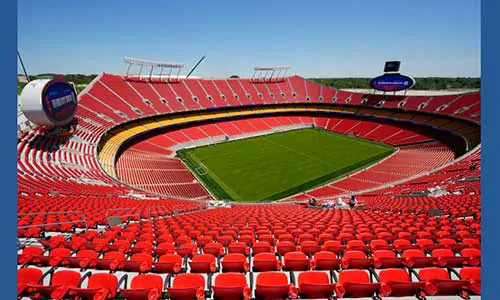
The most glaring challenge facing the Rose Bowl is its age. While it is a National Historic Landmark, a century-old design brings significant physical limitations. For instance, the stadium’s seating arrangement largely consists of continuous aluminum and wooden bleachers rather than individual, modern stadium seats. This design severely impacts overall spectator comfort, especially during long, multi-hour tournament events.
Additionally, the concourse pathways, entry gates, and restroom facilities are vastly outdated compared to newly built arenas. Modern event security and crowd-flow management require spacious concourses to handle tens of thousands of spectators efficiently. Unfortunately, the Rose Bowl’s tight structural design makes it difficult to implement modern security screening and rapid evacuation procedures, meaning it was unable to meet the stringent guidelines established for the FIFA World Cup 2026.
2. The Luxury Suite Deficit & Commercialization
Modern mega-sporting events are as much about commercial revenue as they are about the sport itself. FIFA relies heavily on the sale of premium tickets, corporate hospitality packages, and luxury suites to monetize the tournament. This is where the Rose Bowl suffered its most decisive defeat.
While the Rose Bowl does have a premium pavilion with luxury boxes, they are highly limited in number and lack the lavish, high-tech amenities expected by global corporate sponsors. In contrast, modern stadiums are built with multiple tiers of luxury suites, club seating, and VIP lounges. These premium spaces are vital revenue drivers for modern tournaments like the FIFA World Cup 2026, making older venues far less economically attractive to FIFA’s commercial planners.
3. Transportation and Accessibility Challenges
Another major hurdle is the physical location of the Rose Bowl. Situated in the beautiful Arroyo Seco valley of Pasadena, the stadium is surrounded by residential neighborhoods and narrow, winding roads. While this setting provides a picturesque backdrop, it creates a logistical bottleneck of epic proportions during major events.
Specifically, the venue lacks direct access to public rail transit, meaning that almost all spectators must rely on shuttle buses, rideshare services, or personal vehicles to reach the stadium. This lack of infrastructure has historically led to massive traffic gridlocks before and after games. For a global tournament expecting hundreds of thousands of international visitors—many of whom will not have rental cars—direct, seamless public transit is a mandatory requirement.
4. Climate, Heat, and Fan Comfort
Summer in Southern California can bring intense heat, particularly in inland valleys like Pasadena. Because the Rose Bowl is a completely open-air stadium with absolutely no roof canopy or structural shade, daytime temperatures on the field and in the stands can skyrocket to dangerous levels during June and July.
Historically, heat exhaustion has been an issue during summer matches at the venue. FIFA has placed an increased emphasis on player safety and spectator welfare, particularly concerning heat-related risks. Modern stadiums address this through innovative architecture, including retractable roofs or high-tech canopy designs. The lack of any protective canopy at the Rose Bowl stood out as a significant vulnerability, especially when compared to climate-controlled alternatives.
How SoFi Stadium Secured the FIFA World Cup 2026 Matches
While the Rose Bowl struggled with its historical constraints, SoFi Stadium in Inglewood offered a glimpses into the future of sports entertainment. Opened in 2020 at a cost of over $5 billion, SoFi Stadium is the most expensive and technologically advanced stadium ever constructed. It features a futuristic, translucent ETFE roof canopy that shades fans from direct sunlight while allowing natural ocean breezes to cool the interior.
Furthermore, SoFi boasts an incredible vertical bowl design that places spectators exceptionally close to the action, alongside the revolutionary double-sided “Infinity Screen” video board. More importantly for FIFA, SoFi Stadium contains hundreds of state-of-the-art luxury suites and premium club spaces, maximizing potential hospitality revenues. Despite initially facing hurdles regarding its field width, the stadium’s ownership worked to modify the seating to accommodate a standard soccer pitch, allowing it to lock in its status as a premium venue for the FIFA World Cup 2026.
Comparison Table: Rose Bowl vs. SoFi Stadium
To better understand why the newer venue was selected, let us look at a direct comparison of key metrics assessed during the bidding process:
| Feature / Metric | Rose Bowl Stadium | SoFi Stadium |
|---|---|---|
| Year Opened | 1922 | 2020 |
| Approximate Capacity | 88,500+ | 70,000 (Expandable to 100,000) |
| Roof & Shade | None (Fully Open-Air) | Translucent Canopy Roof |
| Luxury Suites | Limited / Older Design | 260+ High-End Suites |
| Public Transit Access | Poor (Shuttles Required) | Good (Proximity to Metro/LAX Shuttle) |
| Historic WC Finals Hosted | 1994 (Men), 1999 (Women) | None (New Venue) |
Economic Realities & FIFA’s Financial Demands
Beyond the physical comparison of the stadiums, local financial dynamics played a massive role in the final decision. Hosting a global tournament of this scale requires municipalities and stadium operators to invest tens of millions of dollars in venue upgrades. These upgrades cover advanced security apparatuses, dedicated media zones, and pitch alterations.
Importantly, FIFA’s financial model is highly demanding. The organization retains the vast majority of direct ticketing, broadcasting, and sponsorship revenues generated during the tournament. Meanwhile, the host city and the stadium must secure public or private funding to cover the operational and infrastructure costs. For a historic, publicly-owned stadium like the Rose Bowl, allocating significant municipal funds to meet FIFA’s short-term demands was a challenging proposition. On the other hand, SoFi Stadium’s private backing and commercial partnership models made it far easier to absorb these heavy financial obligations of hosting.
Conclusion: The Evolution of Stadium Standards
Ultimately, the Rose Bowl’s omission from the tournament is a poignant reminder of how modern sports entertainment has evolved. While the stadium’s historical significance to American soccer remains unmatched, sentimentality is no longer enough to secure global hosting rights. Today’s international tournaments demand cutting-edge infrastructure, seamless public transit, unparalleled VIP hospitality, and climate-controlled fan environments.
By selecting SoFi Stadium, FIFA made a calculated decision to prioritize modern commercial success, high-tech infrastructure, and premium spectator comfort. While traditional soccer purists may mourn the lack of games at the historic Pasadena venue, the sheer scale of the upcoming tournament will undoubtedly bring an unforgettable atmosphere to Southern California. As the countdown to the opening whistle continues, fans can look forward to seeing the world’s best athletes compete in the region’s newest architectural marvel.
What are your thoughts on the stadium selection?
Do you think FIFA made the right call in choosing the modern SoFi Stadium over the historic Rose Bowl? Share this article and join the debate with fellow football fans online!
For more detailed updates and official match schedules, visit the official FIFA Website or explore the legacy of the Rose Bowl Stadium.
Frequently Asked Questions (FAQs)
1. Will any soccer games be played at the Rose Bowl during the FIFA World Cup 2026?
No, the Rose Bowl was not selected as an official venue and will not host any matches for the tournament. All Los Angeles area matches will take place exclusively at SoFi Stadium in Inglewood.
2. Which Los Angeles stadium will host matches for the FIFA World Cup 2026?
SoFi Stadium (officially referred to as the Los Angeles Stadium during the tournament) was designated as the sole LA-based stadium for the matches.
3. Why did SoFi Stadium win the bid over the historic Rose Bowl?
SoFi Stadium offered superior modern infrastructure, over 260 state-of-the-art luxury suites, a translucent roof canopy for heat protection, and better overall transit logistics compared to the century-old Rose Bowl.
4. Did the field size play a role in the stadium selection process?
While the Rose Bowl naturally fits a standard soccer field, SoFi Stadium was initially too narrow. However, SoFi’s ownership agreed to retract seats and modify the field level to meet FIFA’s dimension standards, neutralizing the Rose Bowl’s advantage.
5. What major soccer history does the Rose Bowl hold?
The Rose Bowl famously hosted the Men’s World Cup Final in 1994, where Brazil won on penalties, and the Women’s World Cup Final in 1999, won by the United States.
6. Will the Rose Bowl host other major soccer tournaments soon?
Yes, despite missing out on the 2026 matches, the Rose Bowl continues to host major international friendlies, club tournaments, and is scheduled to host the gold medal soccer matches during the 2028 Summer Olympics in Los Angeles.